Engineering
Senior Product Engineer (Backend)
The Role
We are seeking a Product Engineer with strong backend experience to join Diesta’s engineering team and help turn complex insurance-finance problems into well-scoped, well-built product features.
This is not a ticket-taking backend role. You will understand the customer workflow, challenge unclear or incomplete specifications, identify risks, and help shape the smallest useful end-to-end version of a feature before building it.
You will work primarily across our NestJS, Node.js, TypeScript, MySQL, Docker and AWS backend, with enough flexibility to understand and occasionally contribute to the Angular Portal where it improves delivery. You will build APIs, workflows and data-heavy capabilities that are reliable, testable and safe to evolve.
As Diesta moves from an AI-driven SDLC towards a more agentic one, you will use AI-assisted development tools thoughtfully to explore the codebase, produce implementation plans, write and review tests, and accelerate delivery without losing engineering judgement or ownership.
We are looking for a developer who can raise both the product and engineering bar: moving from high-level product direction to reliable production outcomes, and learning from customer feedback, operational evidence and incidents after release.
Key Responsibilities
Product Engineering: Turn high-level product direction into practical implementation options, helping define the smallest valuable end-to-end version before expanding into later iterations.
Backend Development: Design, build and maintain backend services, APIs, workflows and data-heavy product capabilities for Diesta's payment operations platform, primarily using Node.js, TypeScript and AWS.
Product Thinking: Go beyond blindly implementing a spec. Flag gaps, edge cases, risks, customer workflow issues and awkward product decisions before they become expensive to fix.
Scoping and Iteration: Break complex domains such as reconciliation, payouts, journals, reporting and integrations into clear version-one paths, internal milestones and customer-facing releases.
Technical Architecture: Contribute to sensible backend architecture, data models, service boundaries and implementation plans that balance speed, maintainability, reliability and product value.
AI-Assisted Engineering: Use tools such as OpenAI Codex, Claude Code or similar systems to understand the codebase, generate plans, build features, write tests, review changes and improve team productivity.
Full-Stack Awareness: Collaborate effectively with frontend engineers and, where useful, make small portal changes or reason through frontend implications in Angular.
Testing and Guardrails: Build and maintain automated tests, local environment simulations, validation scripts and acceptance checks that make it safer and faster to ship changes.
Reliability and Debugging: Investigate bugs, incidents, alerts and production issues, especially where they affect customer workflows, operational confidence, data correctness or delivery timelines.
Security and Compliance Awareness: Consider data protection, access control, auditability and compliance implications when building product features in a financial operations environment.
Collaboration: Work closely with backend developers, frontend developers, QA, DevOps, data engineers, product, operations, the Head of Product, Head of Engineering and CTO.
Documentation: Contribute clear technical and product documentation so engineers, AI agents and future team members can understand decisions, workflows and system behaviour.
What We’re Looking For
Product Engineering: Turn high-level product direction into practical implementation options, helping define the smallest valuable end-to-end version before expanding into later iterations.
Backend Development: Design, build and maintain backend services, APIs, workflows and data-heavy product capabilities for Diesta's payment operations platform, primarily using Node.js, TypeScript and AWS.
Product Thinking: Go beyond blindly implementing a spec. Flag gaps, edge cases, risks, customer workflow issues and awkward product decisions before they become expensive to fix.
Scoping and Iteration: Break complex domains such as reconciliation, payouts, journals, reporting and integrations into clear version-one paths, internal milestones and customer-facing releases.
Technical Architecture: Contribute to sensible backend architecture, data models, service boundaries and implementation plans that balance speed, maintainability, reliability and product value.
AI-Assisted Engineering: Use tools such as OpenAI Codex, Claude Code or similar systems to understand the codebase, generate plans, build features, write tests, review changes and improve team productivity.
Full-Stack Awareness: Collaborate effectively with frontend engineers and, where useful, make small portal changes or reason through frontend implications in Angular.
Testing and Guardrails: Build and maintain automated tests, local environment simulations, validation scripts and acceptance checks that make it safer and faster to ship changes.
Reliability and Debugging: Investigate bugs, incidents, alerts and production issues, especially where they affect customer workflows, operational confidence, data correctness or delivery timelines.
Security and Compliance Awareness: Consider data protection, access control, auditability and compliance implications when building product features in a financial operations environment.
Collaboration: Work closely with backend developers, frontend developers, QA, DevOps, data engineers, product, operations, the Head of Product, Head of Engineering and CTO.
Documentation: Contribute clear technical and product documentation so engineers, AI agents and future team members can understand decisions, workflows and system behaviour.
Useful but not required
Experience or interest in any of the following would be helpful:
Angular or another modern frontend framework
Payment systems, fintech, insurance, banking or regulated data environments
Automated testing frameworks, acceptance testing and contract-style testing
Observability, monitoring and production debugging
Security, compliance, auditability or access-control concerns in product development
Prompting, agent workflows, RAG systems or AI-assisted internal tooling
Building personal products, prototypes, automation scripts or internal tools
Why Join Diesta?
Join a mission-driven team addressing real pain points in insurance finance.
Be part of a lean, high-performing team with direct impact on product and client outcomes.
Work with top insurers and brokers in an industry ripe for disruption.
A culture of high trust, low ego: we value competence, commitment, and transparency.
Benefits
Hybrid work model with a central London office (Bank / Liverpool Street)
Private healthcare insurance
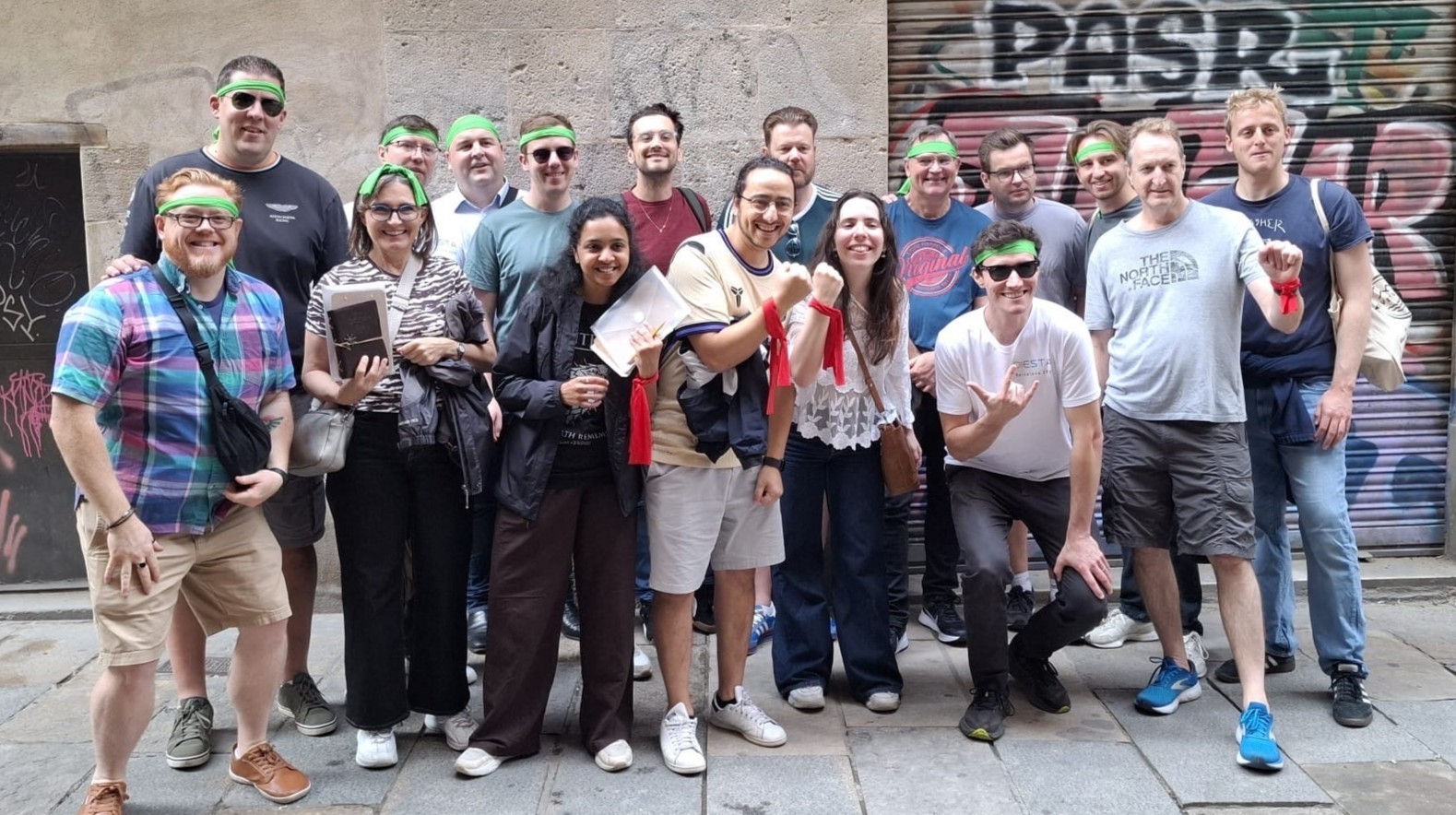
Regular team lunches and international offsites
State-of-the-art technical equipment
22 days annual leave (excluding bank holidays)
Interview Process
Intro Call with our Chief of Staff to explore your background and aspirations.
Technical Interview with the Head of Engineering.
Onsite Workshop at our London office, collaborate with the team and experience our culture first-hand.
Interested in solving real-world data problems and shaping the future of insurance payments?
Apply now to join Diesta at recruitment@diesta.co.uk